
Sikhs have been in Canada for over 135 years and according to census 2021 over 772,000 Sikhs made Canada their home which approximately accounts for 2.1% of the total Canadian population. With most of the Sikh population settling in Ontario, British Columbia, and Alberta, Canada has the second largest Sikh population outside of Punjab. Sikhs originated from Punjab. Over the past century, Sikhs have made outstanding contributions and have taken on responsibilities beyond their fair share in building Canada. Sikhs have proven themselves as a community of nation builders. Canadian Sikhs are trailblazers in the true sense and their efforts opened pathways for other minority groups and immigrant communities arriving in Canada from around the globe.

Sikhs in Canada made leaps and bounds in progress relating to the contribution of the development of Canadian multiculturalism. The community is experienced with over a century of grass root activism and finding it’s place in the Canadian multicultural fabric of society. Sikh championed civil liberties through their political and social activism and maneuvering through discriminatory systems. Sikhs fought for their own rights, may it be the right to wear religious articles, establishing in political scene, or breaking social and economic barriers in Canadian society. Through their actions, Sikhs have helped create a more equitable legal and social framework for all Canadians.
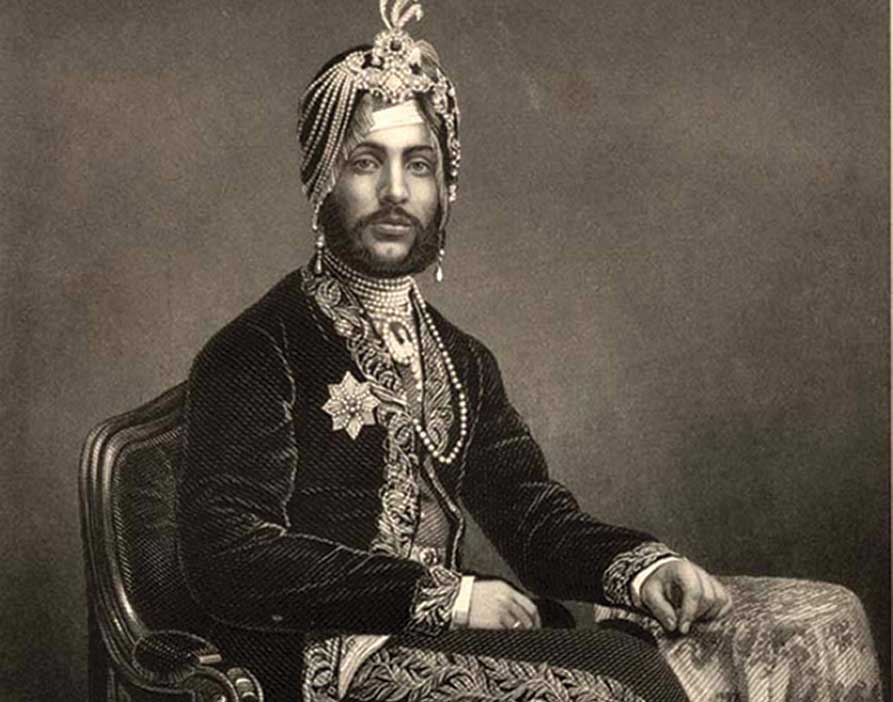
The arrival of Sikhs in Canada started with arrival of Prince Victor Albert Duleep Singh, the grandson of the late Maharaja Ranjeet Singh. According to the historical records Prince was posted at Halifax, Nova Scotia during 1888 as Honorary Aide-de-Camp to General Sir John Ross. He became the first Sikh to arrive in Canada. During the early 1900s Sikhs in Canada started to settle and worked as miners, railway workers, farm help, and lumber mill workers.
This was also the time when Sikhs started the establishments of gurdwaras which played a role of community religious hubs which also provided a venue for social belonging for Sikhs and their families.
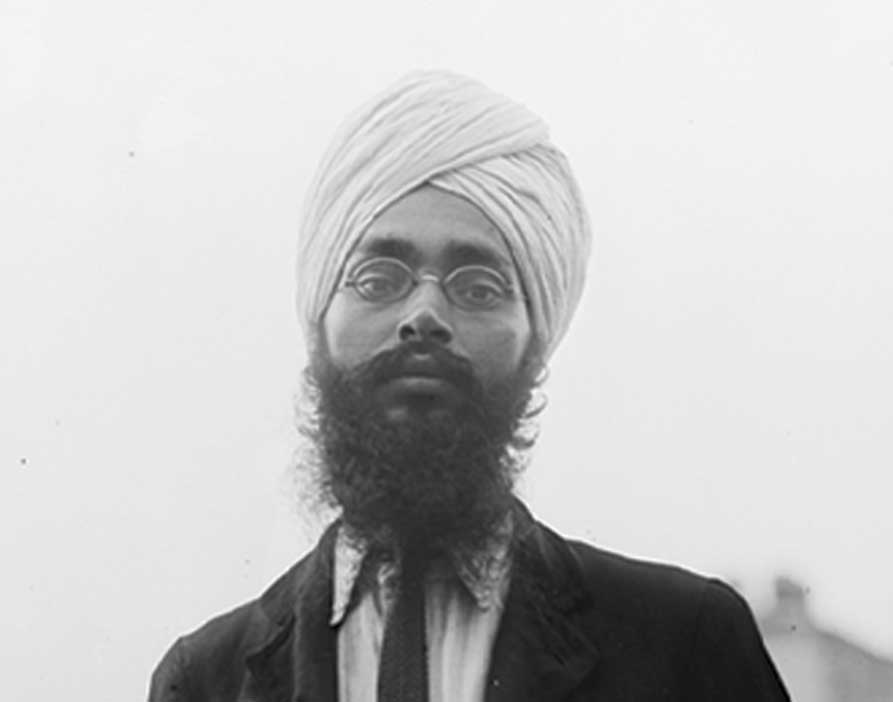
Political awareness existed and eagerness to be part of the Canadian political system was a desire and a right that Sikhs felt they deserved as equal citizens. In 1907-1908 discriminatory laws were passed baring Sikhs from voting at any political level for almost next 40 years. Sikhs faced mob violence in British Columbia and the incident came to be known as the Anti-Asian riots. Sikh resilience and resistance towards discriminatory laws paid off in 1947 when they acquired the right to vote and be treated as equals. It was not until 1950 when the first Sikh was elected to the municipal level government. Naranjan Singh Grewal won elections and became the first Sikh elected in Canada and became part of the city council in Mission, С.
During 1909, Professor Teja Singh created the Guru Nanak Mining and Trust Company in efforts to organize Sikhs and to address the economic well-being of the Sikh Community. Sikhs understood the importance of economic power and its role in acquiring equal Canadian rights. Thus, was created a foundation of future Sikh economic rise in Canada which is continuous today.
In addition, Sikhs wanted fair education for their children and were keen on getting Sikh students a good education to further establish and uplift the community academically and economically. It was in 1983 The University of British Columbia established the first chair in Sikh Studies in North America.
In 2024 the University of Toronto Mississauga (UTM) established chair in Sikh studies promoting education, research and community collaboration on Sikhism. Today Sikhs pursue higher education and are holding leadership roles in their respective choice of professional fields.
Monica Deol became a household name in 1980s and 1990s when she became one of the most recognizable Sikh face across Canada. She started as a reporter at City tv in Toronto and then Video Jockey for Much Music and hosted live TV show Electric Circus from 1988 to 1996. She became the Canadas entertainment specialist and co-hosted the Citytv’s fashion and style show Ooh La La. Before Monica Deol it was Satnam Singh in the late 1960’s and early 1970’s who rose to stardom through music band The Poppy Family which made it to number one on the charts. Similarly, Kiran Ahluwalia a two-time Juno award winner made her mark in music industry.
During 1980s Sikhs were in midst of struggle for their articles of faith to be accepted by the Canadian law and Sikhs be acknowledged as equal Canadian citizens in true sense.

The kirpan issue with Peel District School Board took the forefront of grassroot activism. It was an uphill challenge to receive the permission to wear a kirpan in public schools. 1990 was an important year for Sikhs in Canada, it was the year when Government of Canada removed the ban on wearing of the Sikh turban as a Royal Canadian Mounted Police (RCMP) officer. This victory did not come easy, but with an unwavering spirit to challenge the discriminatory policy which took 3 years of public media scrutiny and unpleasant experiences for the community and the individual, Baltej Singh Dhillon, who joined the RCMP in 1988 but could not continue to join the force due to his dastar (Sikh turban). In 1990 the rules were changed for the whole country because it violated human rights of one citizen. In 2025, Baltej Singh Dhillon was appointed as Canadian Senator.
Sikhs in 2000’s continue to make strides. In 2019 Sikhs for Autism stepped up to advocacy for disability rights in Canada. In 2025 Sikhs for Autism in collaboration with Autism and Developmental Disabilities Research Group (Add*Ed) of Queens University (Kingston) completed the first ever research titled Navigating Autism in the Sikh. Community: Awareness, Education, and Advocacy exploring the Sikh caregivers perspectives and experiences navigating educational systems. This not-for-profit Sikh organization established Autism Caregivers Network in mind to build inclusive and welcoming communities for autistic individuals. The organizations work became inspiration for others to follow starting a conversation around topics which traditionally were considered taboo and stigmatized.
The efforts to challenge and change the unjust laws and policies of the land opened doors for other minority communities living in Canada facing similar challenges of their own. The steadfast attitude and commitment to change by Sikhs sponsored the multicultural and inclusive Canada that we experience today. One of the first immigrant communities to arrive in Canada presented them with the responsibility to fight the hard battles and making the way smoother to those who came after them. Today Canadian Sikhs are examples of courage and unbreakable spirit who are committed to make Canada an even better place to live and flourish in peace.

– By Baljit Ghuman
