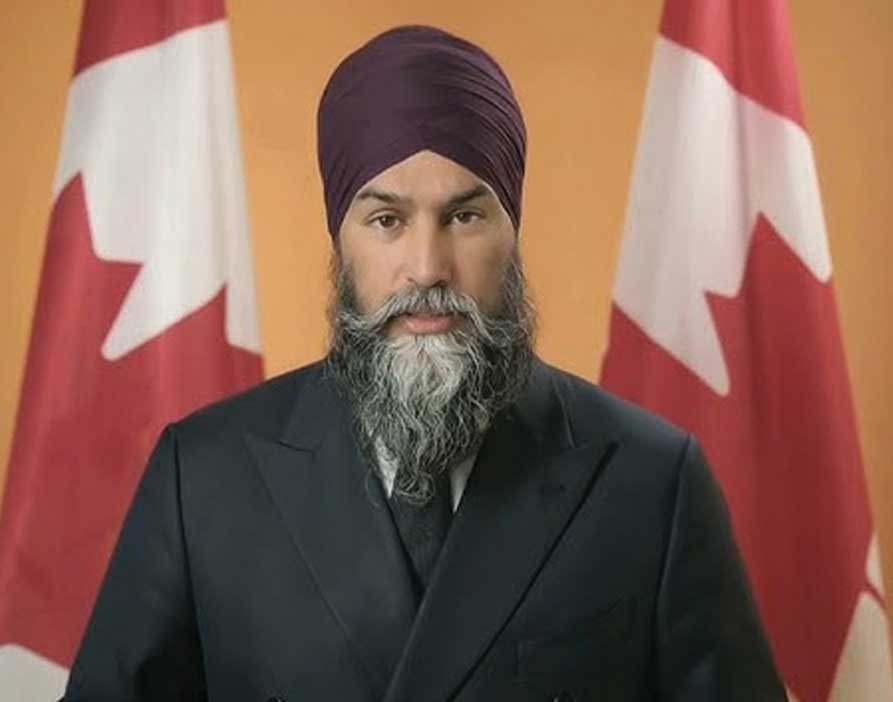
On June 18, 2023, Bhai Hardeep Singh Nijjar was gunned down outside a gurdwara in Surrey, British Columbia a place of worship, a place of peace. What followed was not just a criminal investigation, but a moment that would test the very foundation of Canadian sovereignty.
Months later, on September 18, 2023, Prime Minister Justin Trudeau rose in the House of Commons and delivered a statement that would reverberate across the world. He declared that Canadian security agencies were pursuing “credible allegations” linking agents of the Government of India to the assassination of a Canadian citizen on Canadian soil. At that moment, the issue ceased to be only about one man’s death. It became a question of sovereignty.
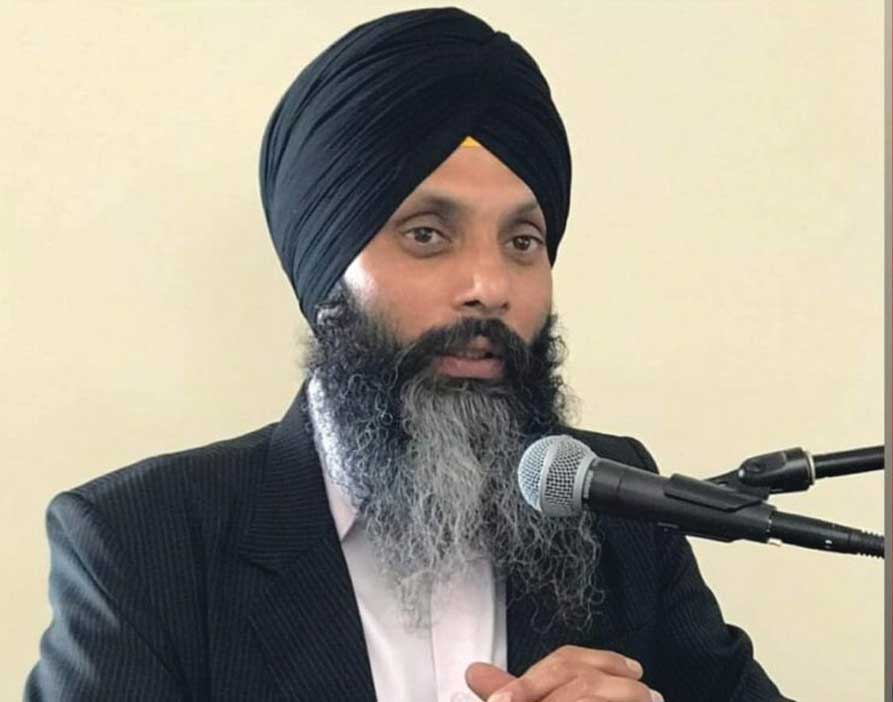
Trudeau’s words were measured, but unmistakable. He called the act “an unacceptable violation of our sovereignty”, a phrase that cut through diplomacy and spoke directly to the core principle upon which Canada stands that no foreign power has the right to carry out violence within its borders.
Yet what made that day historic was not just the Prime Minister’s declaration – it was the response across party lines.
Inside the House of Commons, political divisions momentarily gave way to a unified message: Canada’s sovereignty is non-negotiable.
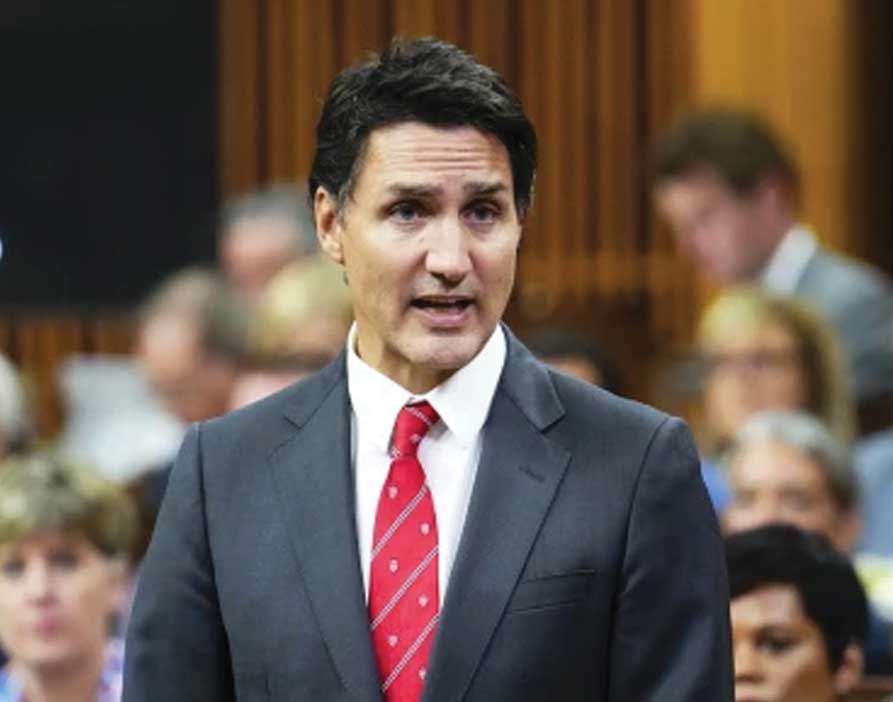
Pierre Poilievre, leader of the opposition, responded with sharp clarity.
While demanding full transparency and accountability, he emphasized that any foreign interference in Canada’s internal affairs – especially involving violence – must be met with firm consequences.
His tone reflected both caution and conviction: a call for justice, but also for proof that could withstand global scrutiny.
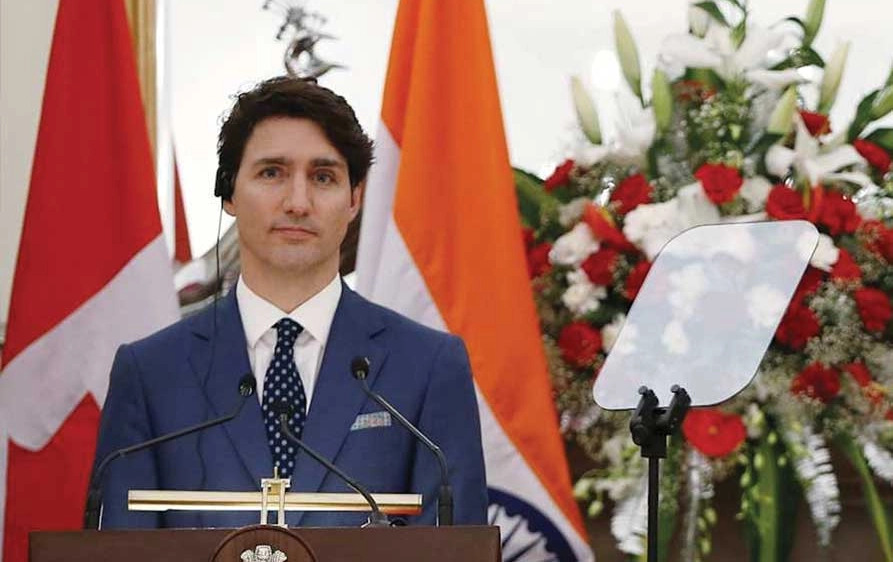
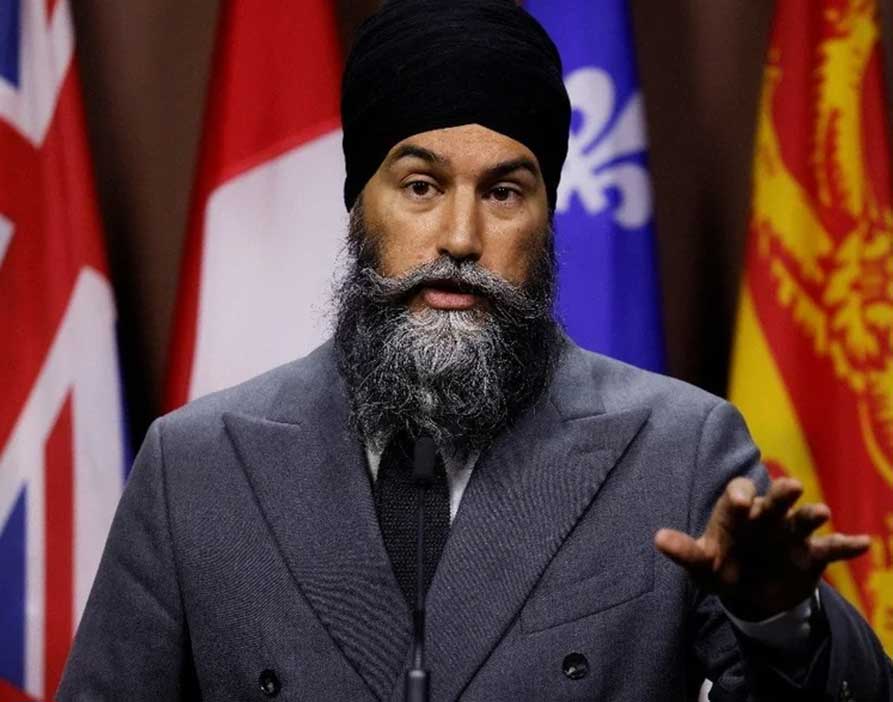
Jagmeet Singh spoke with urgency and moral weight. As the leader of a party deeply connected to the Sikh community, his words carried both political and personal resonance. He condemned the killing and underscored the fear it instilled within Sikh Canadians, framing the issue not only as a breach of sovereignty, but as a threat to the safety of a community that calls Canada home.
Yves François Blanchet echoed the gravity of the moment, stressing that if proven, such actions would represent a profound violation of international norms and Canada’s territorial integrity. His remarks reinforced a broader consensus: that sovereignty is not an abstract concept- it is a line that cannot be crossed.
This rare alignment across party leadership was not accidental. It reflected an understanding that what was at stake extended beyond partisan politics. It was about whether Canada could guarantee the safety of its citizens, regardless of their identity, beliefs, or political views.
The fallout was immediate and severe. Diplomats were expelled. Relations between Canada and India deteriorated rapidly. Investigations intensified. In 2024, Canadian authorities arrested multiple individuals in connection with the killing, while continuing to probe possible links to foreign actors.
At the same time, India categorically and shamelessly denied allallegations, calling them “absurd” and politically motivated, setting the stage for one of the most serious diplomatic crises in recent Canadian history.
But beneath the diplomacy and denials lies a deeper question — one that cannot be ignored.
What does sovereignty truly mean in a globalized world?
If a nation cannot protect its citizens from targeted killings within its own borders, then sovereignty becomes symbolic rather than real. If allegations of transnational repression are met with hesitation or geopolitical calculation, then justice risks becoming selective.
Canada’s response, beginning with Trudeau’s statement and reinforced by the unified stance in Parliament, signaled an attempt to draw a clear line. It was a declaration that sovereignty is not merely about territory – it is about responsibility, accountability, and the rule of law.
And yet, the story remains unfinished.
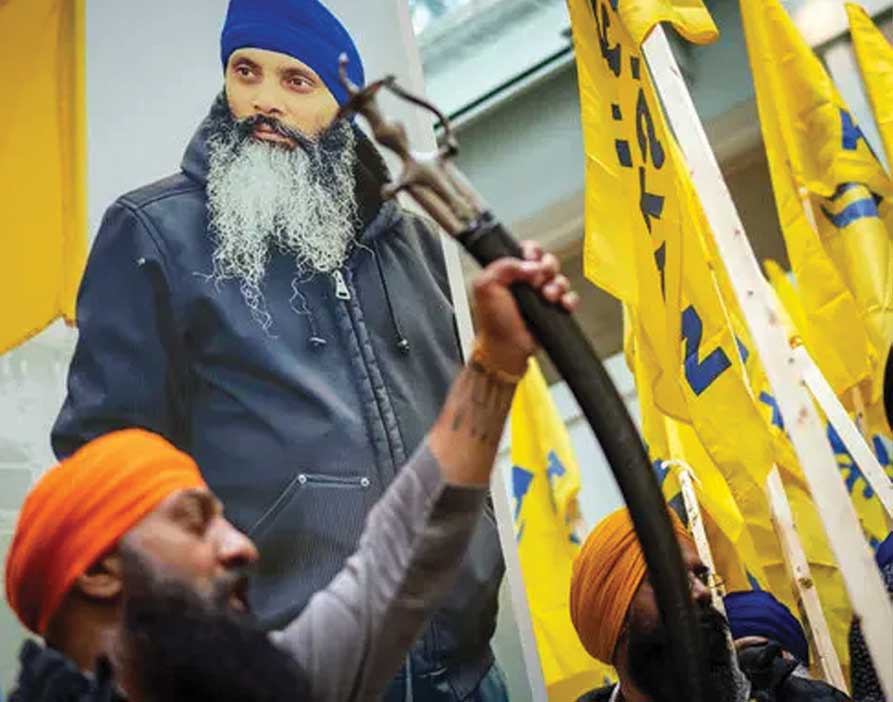
Investigations are ongoing. Evidence remains largely classified. Questions linger -not only about who carried out the killing, but about the networks, motivations, and implications behind it.
For many, especially within the Sikh diaspora, this is not just a geopolitical issue. It is deeply personal. It is about safety, identity, and the right to exist without fear- even thousands of miles away from ancestral homelands.
The assassination of Bhai Hardeep Singh Nijjar has forced Canada – and the world to confront an uncomfortable reality: that the boundaries between domestic security and international power are increasingly blurred.
In the House of Commons, the words were clear. The unity was visible. The message was strong.
But the ultimate test of sovereignty is not in words spoken in Parliament.
It is in the justice that follows.
Official statements on September 18, 2023 in House of Commons in regard to Bhai Hardeep Singh Nijjar
Hon. Justin Trudeau (Prime Minister, Lib.)
Mr. Speaker, today I am rising to inform the House of an extremely serious matter. I just informed the leaders of the opposition directly, but I want now to speak with all Canadians.
Over the past number of weeks, Canadian security agencies have been actively pursuing credible allegations of a potential link between agents of the Government of India and the killing of a Canadian citizen, Hardeep Singh Nijjar. Canada is a rule-of-law country.
The protection of our citizens and the defence of our sovereignty are fundamental. Our top priorities have therefore been, one, that our law enforcement and security agencies ensure the continued safety of all Canadians, and two, that all steps be taken to hold perpetrators of this murder to account.
Canada has declared its deep concerns to the top intelligence and security officials of the Indian government. Last week, at the G20, I brought them personally and directly to Prime Minister Modi in no uncertain terms.
Any involvement of a foreign government in the killing of a Canadian citizen on Canadian soil is an unacceptable violation of our sovereignty. It is contrary to the fundamental roles by which free, open and democratic societies conduct themselves.
As one would expect, we have been working closely and coordinating with our most important allies on this very serious matter. In the strongest possible terms, I continue to urge the Government of India to co-operate with Canada to get to the bottom of this matter. I also expect it to reiterate that its position on extrajudicial operations in another country is clearly and unequivocally in line with international law.
I know that many Canadians, particularly members of the Indo-Canadian community, are feeling angry or perhaps frightened right now. Let us not allow this to change us. Let us remain calm and steadfast in our commitment to our democratic principles and our adherence to the rule of law. This is who we are and what we do as Canadians.
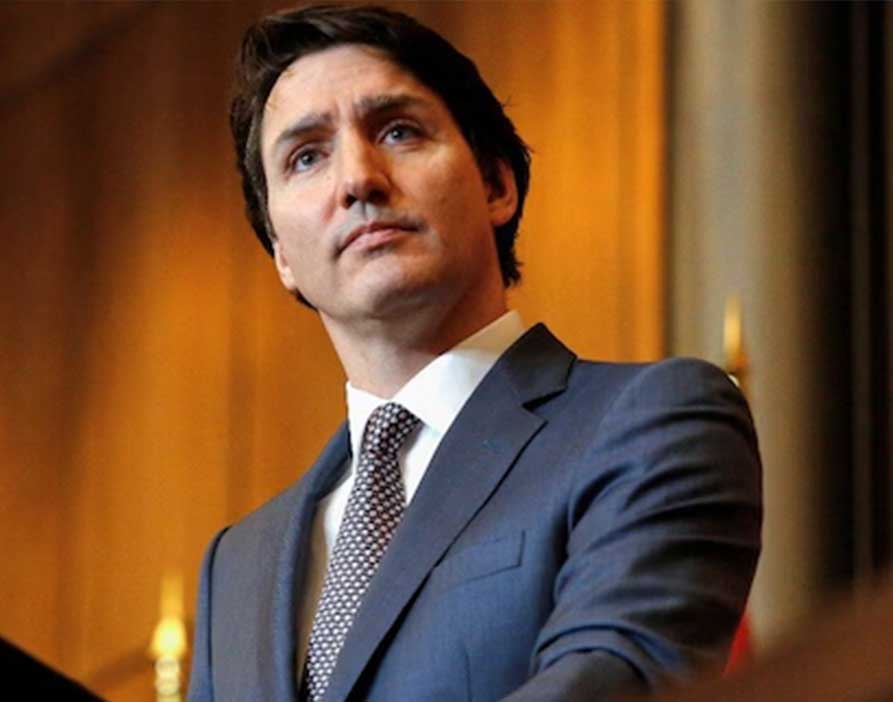
Mr. Alain Therrien (La Prairie, BQ):
Mr. Speaker, we have just learned what happened. We are stunned and shocked. This is unacceptable; I am sure we all agree.
First and foremost, I would like to offer my condolences to all the family and friends who are suffering through this unacceptable ordeal.
Foreign countries must respect our borders. Our law enforcement agencies are responsible for intervening on our territory, in compliance with our laws. We are a country governed by the rule of law. Everyone must respect that, at all times, without exception. Parliament must make that message clear to the perpetrators, to those to whom we are addressing our remarks today. We must remain calm. We must watch carefully and see how the case develops.
In the meantime, the Bloc Québécois is offering the Prime Minister its fullco-operation, because this situation is unacceptable.
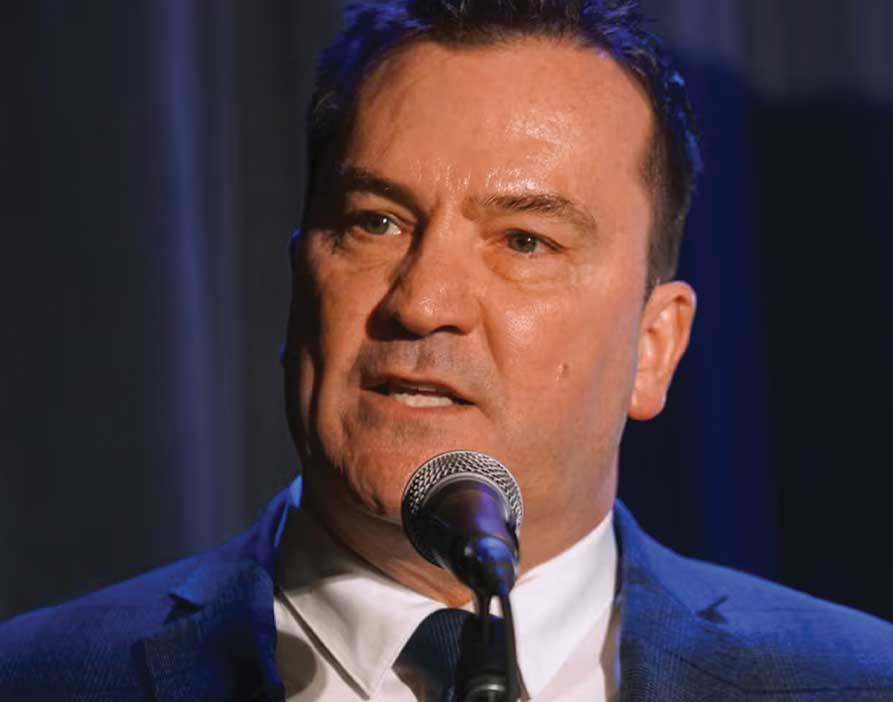
Hon. Pierre Poilievre (Leader of the Opposition, CPC):
Mr. Speaker, moments ago, the Prime Minister made me aware of intelligence from his authorities linking the Indian government to the killing of Hardeep Singh Nijjar. Before going any further, let me offer my condolences to the family of Hardeep Singh Nijjar in the loss that this represents and the outrageous murder that brought it about.
If these allegations are true, they represent an outrageous affront to Canada’s sovereignty. Our citizens must be safe from extrajudicial killings of all kinds, most of all from foreign governments. Canadians deserve to be protected on Canadian soil.
We call on the Indian government to act with the utmost transparency as authorities investigate this murder, because the truth must come out. We must know who performed the assassination and who was behind the assassination. The Conservatives will continue to work to get these answers.
All Canadians now stand with diaspora communities of Indian origin. It is now in this time that the official opposition makes an appeal for calm. We are all Canadians. This is our country. We must be united for our home and for each other.
Let us all lock arms and join hands in condemning this murder, standing with the family and friends of its victim. Let us all put aside our differences to stand up for the rule of law, one law for all of our people, a law made in this chamber by Canadians for Canadians.
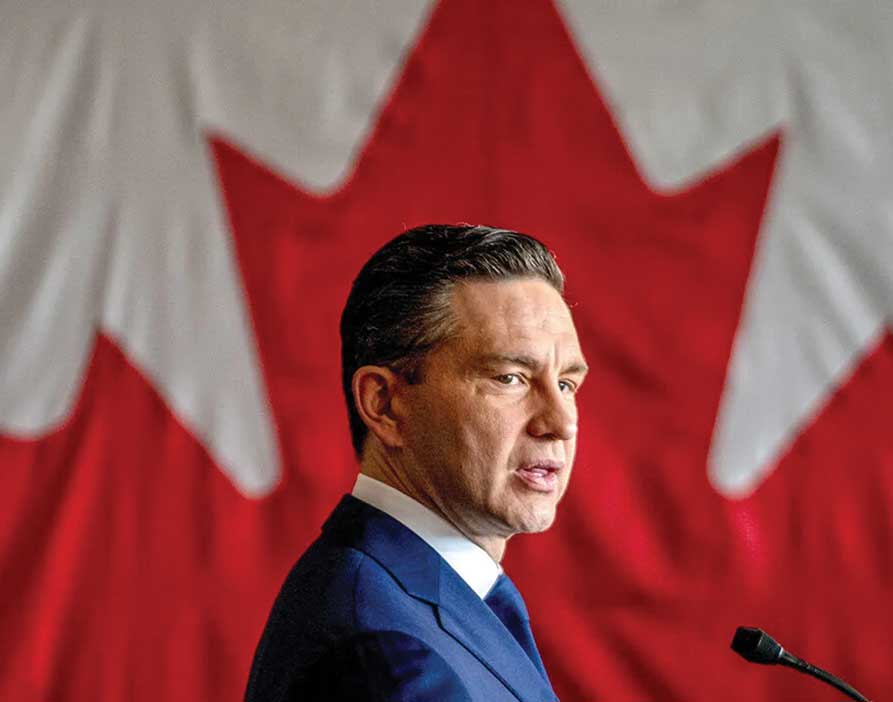
Mr. Jagmeet Singh (Burnaby South, NDP):
National Leader of NDP
Mr. Speaker, what we have just learned today in the House is something that shocks the safety and security so many Canadians rely on. It is outrageous. It is shocking and it is going to have deep and devastating impacts for Canadians.
I want to also begin by acknowledging the family of Hardeep Singh Nijjar, a family that is now learning that the loss of its loved one was potentially directly related to Indian government involvement. I spoke with Hardeep Singh Nijjar’s son, and I could hear the pain of that loss in his voice. I can only imagine how much more painful it is going to be, knowing this potential connection.
On a personal reflection, I want to share what this means to the Sikh community. I grew up hearing many stories that said that if someone raised concerns about human rights violations in India, they might be denied a visa, or that if they went back India, they could suffer violence, torture and even death. I grew up hearing those stories, but to hear the Prime Minister of Canada corroborate a potential link between a murder of a Canadian citizen on Canadian soil and a foreign government is something I could never have imagined.
To understand what that means to the community, this is a place that so many people around the world have sought as a refuge. People have fled persecution in their home countries, where they were threatened by torture, violence and death, to come to Canada, a beacon of safety, a place where they could be safe and free from violence, and where they would be able to speak their thoughts, speak their minds and not worry that they would wake up dead the next day or that someone they loved would be tortured or killed. The safety and security so many Canadians feel has now been rocked. It has been shocked and destabilized.
I want to send a message directly to activists across our country who have fled persecution and who speak truth to power, knowing of the real, dire consequences to themselves and potentially to their families. I want to speak directly to people of Indian descent who have come to Canada and who spoke justice and spoke truth to power, and who challenged the oppressive practices of India: caste violence, violence against women, systemic abuse of minority communities and systemic abuse of the poor. I want to speak directly to those activists. Governments around the world are trying to silence them. The Indian government, and the Modi government specifically, is attempting to silence them, but truth cannot be silenced. Justice cannot and will not be silenced.
We know that the practice of the Indian government has been one of division, violence, persecution and attacking those who are critical of the government. It is now an important time to send a clear message as a democratic country and a country that respects the rule of law.
What will be our response?
I want people to know that, as leader of the New Democratic Party, I will use every tool at my disposal to ensure that Canada uses every tool and every power of a democratic nation to bring those responsible to justice. We willensure that no rock is unturned, that every possible link will be examined and that a public inquiry should also turn its eye to this with the full rigour of that public inquiry. We need to know the truth. We need to know all potential links, and anyone and everyone responsible should be brought to justice using the full power of a democratic nation.
I callon our allies to condemn this violence, this direct violation of a sovereign nation’s rights, and to condemn this act in the harshest terms possible. This will require all democratic nations to come together to send a clear message about what it means that a foreign nation killed a Canadian on Canadian soil. This is something all democratic nations have to stand up and
denounce clearly.
Finally, I want to send a clear message to many people who are still learning of this and will be angry and are going to be afraid. I understand why they would be angry and afraid. call for everyone who is hearing this news now to come together, not in anger but in love of justice. There is a Sikh practice that the love of justice is what we should focus on, not the anger, the frustration and the fear.
We should focus on the love of justice, and I will do my part. We will do our part in the chamber to ensure that justice is served, using every tool a democratic nation can.