
Recognition Delayed, Memory Undeterred
Sikh Voices Gather in Canada’s Senate for Recognition of the 1984 Sikh Genocide
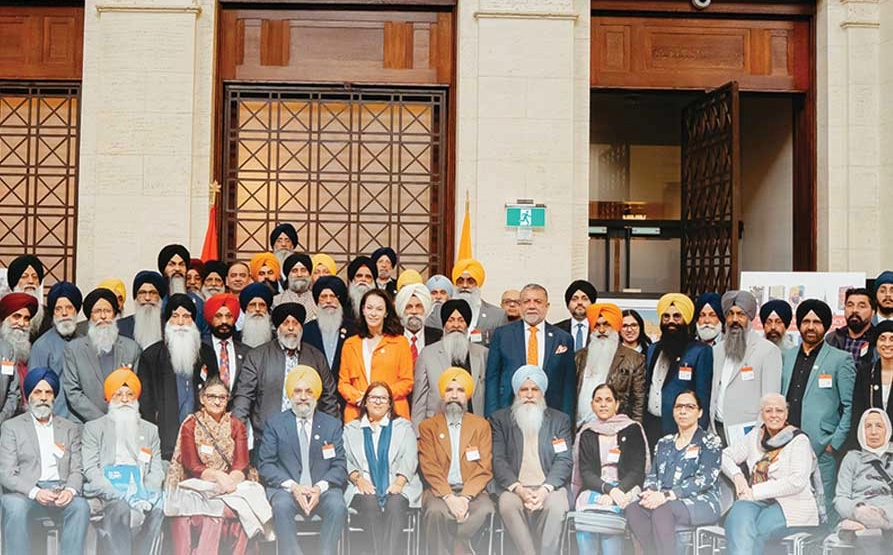
In the heart of Canada’s Parliament, beneath the historic chambers of the Senate of Canada, Sikh voices from across the country gathered with a shared purpose: to continue the pursuit of justice, recognition, and historical truth for the victims of the 1984 Sikh Genocide.
Held on April 28, 2026, during Sikh Heritage Month, the Parliamentary reception titled “Recognizing the 1984 Sikh Genocide” marked another significant chapter in the Sikh community’s decades-long effort to secure formal acknowledgment of one of the darkest periods in Sikh history. Organized by the Ad Hoc Committee for the Recognition of the 1984 Sikh Genocide, the event symbolized not only remembrance, but also resistance against silence and institutional neglect.
Hosted by Senator Baltej Singh Dhillon and co-sponsored by Members of Parliament from multiple political parties including Sukh Dhaliwal, Dalwinder Gill, Heather McPherson, and Elizabeth May the reception reflected growing cross-partisan engagement with Sikh concerns in Canada. In attendance were Sikh leaders, academics, activists, parliamentarians, and community representatives from coast to coast to coast.
For many present, the event carried a significance far beyond ceremony. It represented a continued effort to challenge decades of denial surrounding the organized anti-Sikh violence of 1984 in India, where thousands of Sikhs were killed following the assassination of Prime Minister Indira Gandhi. Speakers at the Senate reception emphasized that the violence was not spontaneous unrest, but rather a systematic and coordinated campaign targeting Sikhs across multiple regions.
Throughout the morning, speakers returned to one central message: recognition matters.
Rapinder Kaur of the Sikh Heritage Month Foundation spoke about the importance of preserving memory and ensuring future generations understand the sacrifices and suffering endured by the Sikh community. Professor Indira Prahst of Langara College highlighted the role of education, historical accountability, and public institutions in confronting mass violence and protecting human rights.
The gathering also reflected the increasing political visibility of Sikh issues within Canada’s democratic institutions. Numerous Members of Parliament and Senators attended the reception, demonstrating that conversations once confined to community halls and advocacy campaigns are now entering national political spaces.
Yet the event was not solely about the past. Several speakers connected the lack of recognition for the 1984 violence to contemporary concerns surrounding the safety and political targeting of Sikhs globally. Organizers argued that the continued refusal to acknowledge the events of 1984 has contributed to an environment where accountability remains absent and transnational repression against Sikh activists continues.
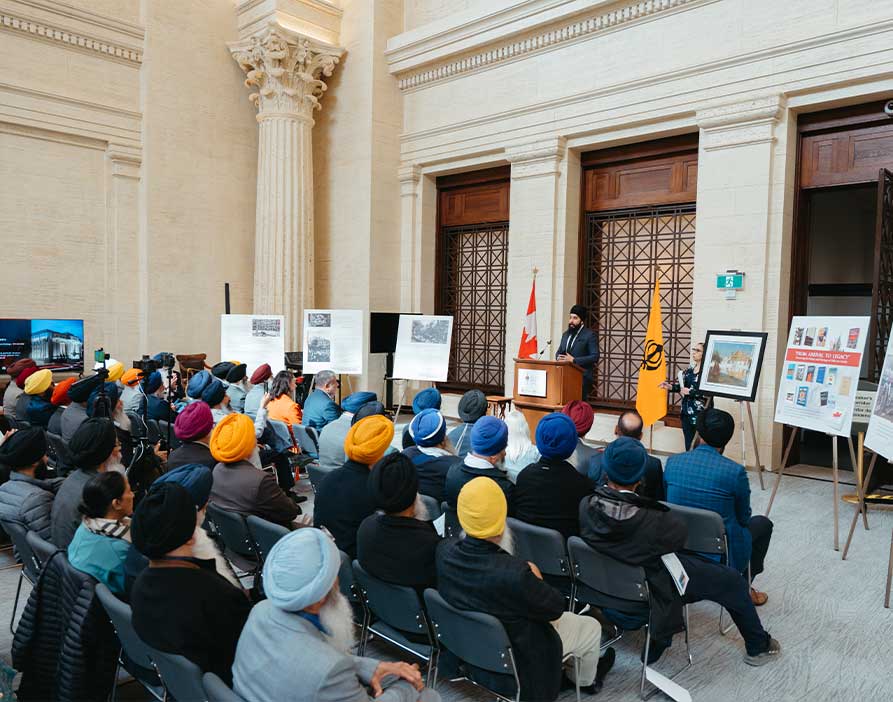
Manohar Singh Bal, Coordinator of the Ad Hoc Committee, addressed this directly in his remarks, stating that the failure to recognize the genocide is “not a matter of historical debate,” but an ongoing institutional omission with present-day consequences. His words resonated deeply within a room filled with survivors, advocates, and younger generations seeking both truth and justice.
The event itself stood as a reflection of how far Sikh advocacy in Canada has progressed. Organizations such as the Ontario Gurdwaras Committee, World Sikh Organization, Sikh Federation, and the British Columbia Gurdwara Council have spent years building awareness, documenting testimony, and engaging public institutions. What was once ignored has increasingly become part of national discussion.
At the same time, organizers emphasized that recognition remains unfinished work.
For many Sikhs, the struggle is not merely about historical acknowledgment. It is about dignity, memory, and the refusal to allow political convenience to erase collective trauma. The Senate reception demonstrated that forty-two years after 1984, the demand for justice has neither faded nor weakened.
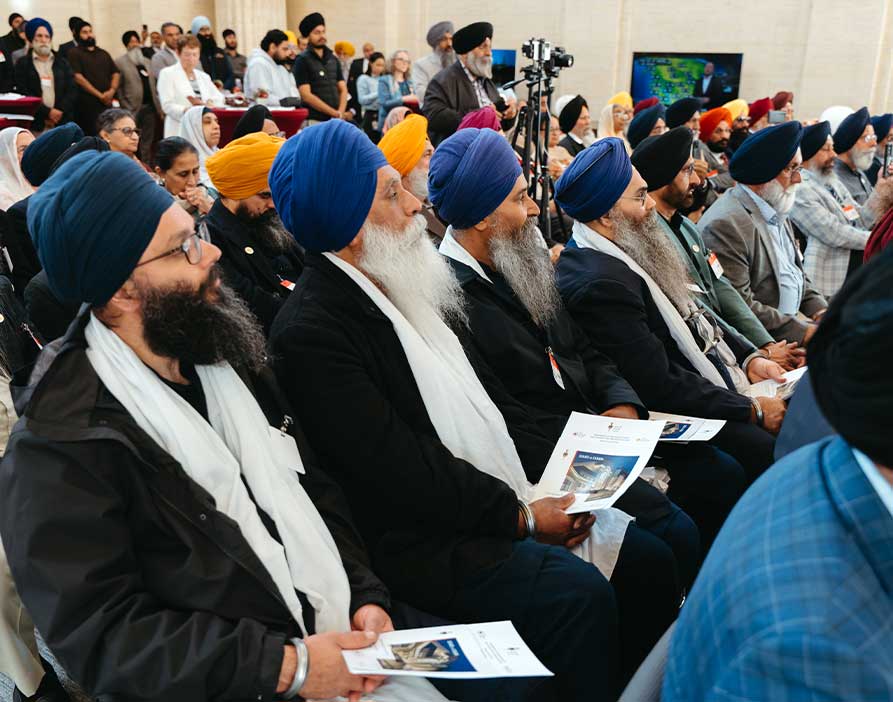
As Sikh Heritage Month celebrations continue across Canada, the gathering in Ottawa served as a reminder that heritage is not only expressed through celebration, language, and culture it is also preserved through remembrance, truth-telling, and the courage to confront painful history.
For Mannthology, this moment reflects a broader reality shaping Sikh identity today: a community determined not only to survive history, but to ensure history is honestly remembered.

Article: Manveer Singh Saini
