
Mental Health in the Brown Community
Growing up in a Brown household, Ilearned many things early in life: how to be strong, how to adjust, how to put family before self. What I didn’t learn was how to talk about my emotions. Like many of us, I grew up believing that mental health was either not real or not important enough to be discussed. We were taught to push through discomfort, to stay quiet, and to carry on.
In our community, mental health is rarely spoken about openly. It is often misunderstood, minimized, or ignored altogether. Many of us were never given the language to describe what we were feeling, so we learned to normalize pain instead. Anxiety became “overthinking.” Depression became “laziness.” Emotional exhaustion became “being ungrateful.” And silence became our coping mechanism.
What makes mental health conversations so difficult in Brown families is that struggles are not always visible. There is no clear sign that something is wrong. Someone can be smiling, working, studying, and fulfilling responsibilities while quietly falling apart inside. Because there are no obvious symptoms, emotional pain is often dismissed.
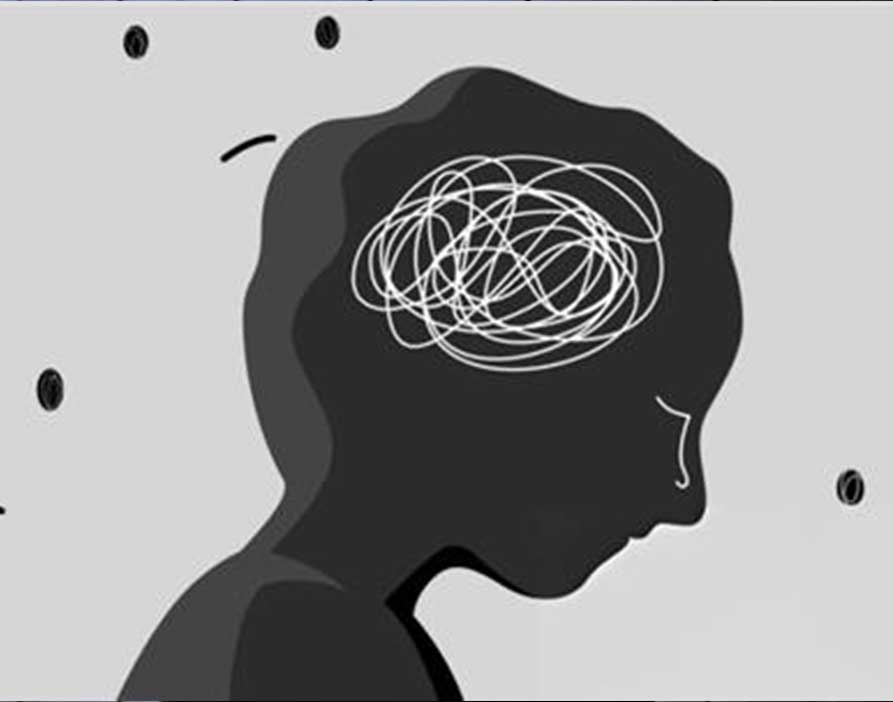
Many people don’t realize they are struggling with mental health issues until their bodies begin to react. Anxiety can show up as constant worry, racing thoughts, restlessness, or a tight feeling in the chest. Panic attacks can feel sudden and overwhelming shortness of breath, dizziness, shaking, or the fear that something terrible is about to happen. Depression doesn’t always look like crying; sometimes it looks like numbness, loss of motivation, isolation, or feeling disconnected from life itself.
For a long time, many of us believe this is just how life is supposed to feel. We tellourselves everyone feels this way. We convince ourselves that if we just stay busy, stay strong, or stay quiet, it will pass. But mental health does not work that way. When emotions are ignored, they don’t disappear they build.

In Brown communities, mental health is often linked with shame. There is fear of being judged, misunderstood, or labeled as weak. There is also pressure to maintain family image and honor, which makes it even harder to admit vulnerability. As a result, many people suffer silently, afraid that speaking confirms failure.
Faith is deeply rooted in our culture, and for many, it is a source of comfort and strength. However, faith and mental health care are not opposites. Praying, believing, and seeking professional help can exist together. Acknowledging emotional pain does not mean a lack of faith, it means recognizing human limits.
The real harm comes from silence. When mental health struggles are not taken seriously, people feel alone in their pain. They begin to doubt themselves. They wonder why they can’t cope the way others seem to. This isolation is often more damaging than the struggle itself.
Change begins when we start listening without judgment. It begins when we stop minimizing emotions and start validating them. Instead of asking, “Why are you like this?”we can ask, “How can I support you?” Instead of offering quick fixes, we can offer presence. Sometimes, being heard is the first step toward healing.
Mental health care should be treated the same way we treat physical health. If someone is in physical pain, we encourage them to see a doctor. Emotional pain deserves the same care, patience, and seriousness. Therapy, counseling, and emotional support are not signs of weakness; they are tools for survival and growth.
As a community, we can do better. Parents can create environments where children feel safe expressing emotions. Friends can check in without judgment. Cultural and religious spaces can open conversations instead of closing them. And individuals can remind themselves that asking for help is not failure, it is courage.
Mental health awareness does not weaken our community. It strengthens it. When we break the silence, we allow space for understanding, healing, and connection. We teach the next generation that strength is not about suffering quietly, but about choosing care both for ourselves and for each other.
It is time we stop treating mental health as something to hide. Our stories matter. Our emotions matter. And our healing matters.
By Jasmeet Kaur
